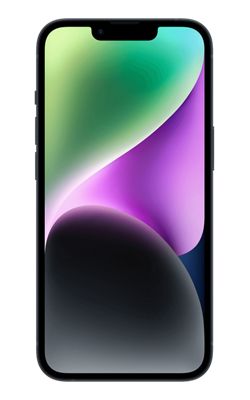
The Psychology Behind Our iPhone Obsessions: Why We Can't Let Go
The psychology behind our iPhone obsessions is a fascinating exploration of human behavior and technology. Studies have shown that the design of smartphones, particularly iPhones, is intentionally crafted to elicit addictive tendencies. The notifications we receive, the apps we use, and even the tactile feel of the device in our hands contribute to a **dopamine release**, creating a cycle of craving and gratification. This cycle is not just about technology; it's rooted in our basic psychological needs for connection, distraction, and entertainment. As a result, we find ourselves reaching for our phones even when we’re not consciously aware of it, leading to habitual use that can negatively impact our daily lives.
Moreover, the social validation that comes with our iPhones plays a significant role in this obsession. Platforms like social media are designed to foster a sense of community and instant gratification, making it hard for users to disconnect. The fear of missing out (FOMO) drives many to stay glued to their devices, constantly checking for updates, likes, and notifications. This attachment can create a significant psychological burden, where the absence of an iPhone leads to feelings of anxiety or unease. Understanding the psychological factors behind our iPhone fascinations is essential for developing healthier usage habits and ensuring that technology enhances rather than hinders our quality of life.
Counter-Strike is a highly popular first-person shooter game that has captivated gamers since its initial release in 1999. Players can choose to fight as part of a terrorist or counter-terrorist team, engaging in various objectives such as bomb defusal or hostage rescue. The game's competitive nature and strategic gameplay have led to a thriving esports scene, making it one of the most played games worldwide. To enhance your gaming experience, consider checking out the Top 10 iPhone Air accessories that can help you improve your setup.
Is the iPhone the Ultimate Status Symbol? Exploring the Cult of Apple
The iPhone has long been regarded as a definitive status symbol in the world of consumer electronics, symbolizing not just functionality, but also a lifestyle choice. This phenomenon can be traced back to the brand's innovative marketing strategies and cult-like following among its users. Apple has successfully crafted an image of exclusivity and prestige around the iPhone, prompting many to perceive ownership as a reflection of personal success and social standing. With sleek designs and a seamless user experience, the iPhone elevates the mundane act of communication to an emblem of sophistication.
One of the most compelling aspects of the iPhone as a status symbol is the community it fosters. Apple users often find themselves part of an exclusive club, leading to a sense of belonging that transcends social boundaries. The company’s use of controlled pricing and limited releases only enhances this allure, creating an air of rarity that consumers actively chase. As a result, the iPhone has evolved from a mere gadget to a cultural icon, representing a modern-day badge of honor for its users and underscoring the profound impact Apple has on consumer perception and brand loyalty.
10 Reasons Why Your iPhone Is Harder to Live Without Than You Think
In today's fast-paced world, the iPhone has become more than just a communication device; it's an essential tool that integrates seamlessly into our daily lives. One of the primary reasons why your iPhone is harder to live without than you might think is its multifunctionality. From checking emails to managing your finances, your iPhone consolidates countless tasks into one small device. Moreover, the iPhone's intuitive interface allows users to navigate through applications easily, making it incredibly efficient for both work and play.
Another significant aspect is the vast ecosystem of applications available on the iPhone, which further enhances its necessity. With over a million apps available, you can find software for virtually any need—be it fitness tracking, productivity, or leisure activities. The iPhone also plays a critical role in keeping you connected to friends and family through social media and messaging apps. These features underscore the fact that your iPhone is not just a device; it's a lifeline to the outside world, making life without it feel quite isolating.