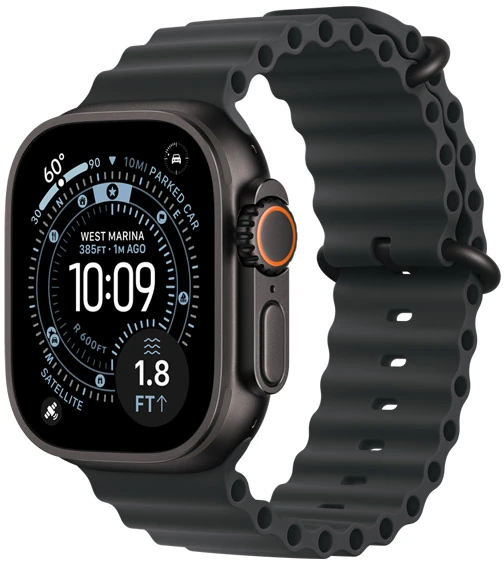
How Accurate is Your Apple Watch in Tracking Fitness?
The Apple Watch has established itself as a powerful tool for monitoring fitness and health metrics. Its accuracy in tracking various fitness activities, such as heart rate, steps, and calorie expenditure, has made it a popular choice among fitness enthusiasts. Studies suggest that the Apple Watch is generally reliable, especially when it comes to tracking heart rate during workouts. However, factors like positioning on the wrist and the type of fitness activity can influence its performance. For instance, researchers have found that while the Apple Watch performs well for steady-state activities like running or cycling, its accuracy may diminish during high-intensity interval training (HIIT) or weightlifting sessions.
In addition to heart rate monitoring, the Apple Watch incorporates several features that enhance its fitness tracking capabilities. The device employs advanced sensors and algorithms to estimate calorie burn and track distance covered during workouts. According to user feedback and independent studies, many users find the Apple Watch to be a highly effective fitness companion, helping them stay motivated and engaged with their health goals. Nonetheless, it is essential to remember that while the Apple Watch provides valuable insights, it's best used in conjunction with professional advice and personal judgment to achieve optimal fitness results.
Counter-Strike is a popular team-based first-person shooter that has captivated gamers worldwide since its release. Players assume the roles of either terrorists or counter-terrorists in various mission scenarios, requiring teamwork and strategy. For those looking for alternatives to in-game communication, check out the Top 10 Apple Watch Bands for Sweating to improve your gaming sessions.
Is Your Apple Watch Encouraging or Critiquing Your Workout Habits?
The Apple Watch has become a vital companion for fitness enthusiasts, offering a wealth of features aimed at enhancing workout routines. With activity tracking, heart rate monitoring, and personalized coaching, many users find that their Apple Watch serves as a source of motivation. The tangible rewards of meeting daily activity goals, receiving notifications to stand up or move, and tracking progress over time can all help inspire a more active lifestyle. However, the question remains: is your Apple Watch encouraging your workout habits or inadvertently critiquing them?
While the Apple Watch provides insights that can foster improvement, it can also create pressure to meet certain fitness benchmarks. For instance, receiving reminders when you’ve been inactive or falling short of your workout goals might lead to feelings of inadequacy instead of encouragement. This duality prompts users to reflect on their relationship with the device; rather than solely relying on the Apple Watch as a fitness coach, it can be beneficial to consider how its feedback impacts mental health. Ultimately, understanding this dynamic can empower users to leverage the Apple Watch's features effectively and positively influence their workout habits.
What Do Your Apple Watch Metrics Really Say About Your Fitness Journey?
Your Apple Watch metrics serve as an invaluable tool for tracking your fitness journey. Metrics such as heart rate, calories burned, and activity levels can provide insights into your physical health and overall well-being. For instance, monitoring your heart rate can help you ensure that you're working out in your target zone, effectively maximizing fat burning and improving cardiovascular fitness. Statistics displayed through the Apple Watch, such as your daily step count or exercise minutes, motivate you to push boundaries and stay consistent. Moreover, these metrics enable you to identify patterns in your activity, helping you to set more achievable goals.
However, it's important to interpret these Apple Watch metrics carefully. Not every number directly correlates to improved fitness; some may fluctuate due to various factors such as hydration levels, sleep quality, or even stress. For example, a sudden spike in your resting heart rate could signal that your body needs a recovery day or that you might be getting sick. Thus, while these metrics offer a treasure trove of information, it’s vital to combine them with other wellness indicators and personal experiences in your fitness journey. Doing so allows you to form a well-rounded view of your health, rather than fixating solely on numbers.