Essential Power Tools Every DIY Enthusiast Should Own
For any DIY enthusiast, having the right tools can make all the difference between a successful project and a frustrating experience. Below are essential power tools that every DIY enthusiast should have in their arsenal:
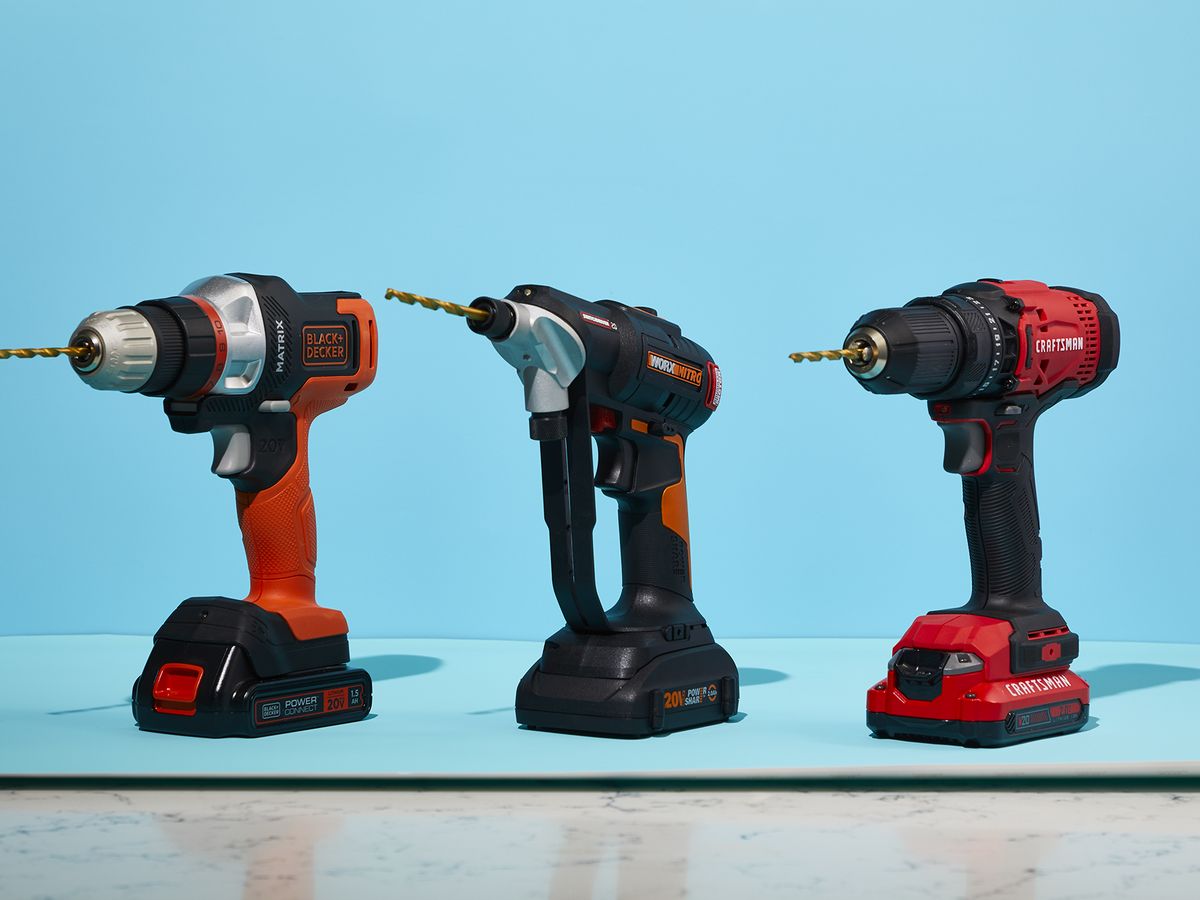
- Cordless Drill: This versatile tool is perfect for drilling holes and driving screws, making it a must-have for any project.
- Orbital Sander: Achieve a smooth finish on wood surfaces with an orbital sander, which is essential for refinishing furniture or preparing surfaces for painting.
- Jigsaw: Ideal for making intricate cuts in various materials, a jigsaw allows for greater creativity in your DIY projects.
- Circular Saw: When dealing with larger pieces of lumber or sheet materials, a circular saw provides the efficiency and precision needed to get the job done.
Investing in quality power tools can greatly enhance your efficiency, precision, and overall satisfaction with your DIY projects. Not only will they save you time, but they can also ensure that your work is up to professional standards. Explore local hardware stores or online retailers to find the best deals on these essential tools, and remember to prioritize safety features such as blade guards and ergonomically designed handles when making your choices.
Counter-Strike is a popular first-person shooter game that pits teams of terrorists against counter-terrorists in various objective-based scenarios. The game emphasizes teamwork, strategy, and skill, allowing players to choose from a variety of weapons and tactics to outsmart their opponents. Players can also equip themselves with the best tools for different tasks, much like how you can find the Top 10 Rechargeable Electric Screwdrivers for your DIY projects, ensuring the right equipment can make all the difference in performance.
How to Choose the Right Power Tool for Your Next Project
Choosing the right power tool for your next project can significantly impact the quality and efficiency of your work. Start by identifying the specific tasks you need to accomplish. Do you need a tool for cutting, drilling, or sanding? Each type of project requires different tools. Consider factors such as power, size, and weight of the tool, as these can affect both performance and ease of use. Additionally, think about your experience level—some tools are better suited for beginners, while others require a more skilled hand.
Once you've narrowed down your options, it's helpful to read reviews and compare features. Look for tools that offer a balance of quality and affordability; you don't want to overspend on a tool that you may not use often. Consider visiting a local hardware store to test out tools in person if possible. Don't forget to check the warranty and customer support options, as these can be crucial factors in your decision-making process. In summary, taking the time to evaluate your needs and research your options can lead to the perfect power tool for your project.
Top Tips for Safely Using Power Tools at Home
Using power tools at home can make DIY projects easier and more efficient, but it's essential to prioritize safety. First and foremost, always wear appropriate personal protective equipment (PPE), including safety goggles, ear protection, and gloves. Moreover, familiarize yourself with the tools you plan to use; read the manufacturer’s instructions carefully and seek professional guidance if you're uncertain about any procedures. Before starting your projects, ensure that your workspace is organized and free from obstructions. This will help you maintain focus and reduce the risk of accidents.
Another crucial aspect of safely using power tools at home is proper tool maintenance. Regularly check for any wear and tear, such as frayed cords, dull blades, or loose parts, as these can significantly hinder performance and increase danger. Additionally, always disconnect tools from the power source when changing accessories or making adjustments. To further enhance safety, consider following a tool checklist to ensure everything is in working order prior to use. Lastly, remember to keep your hands and other body parts clear of moving parts and always practice safe posture while operating any equipment.