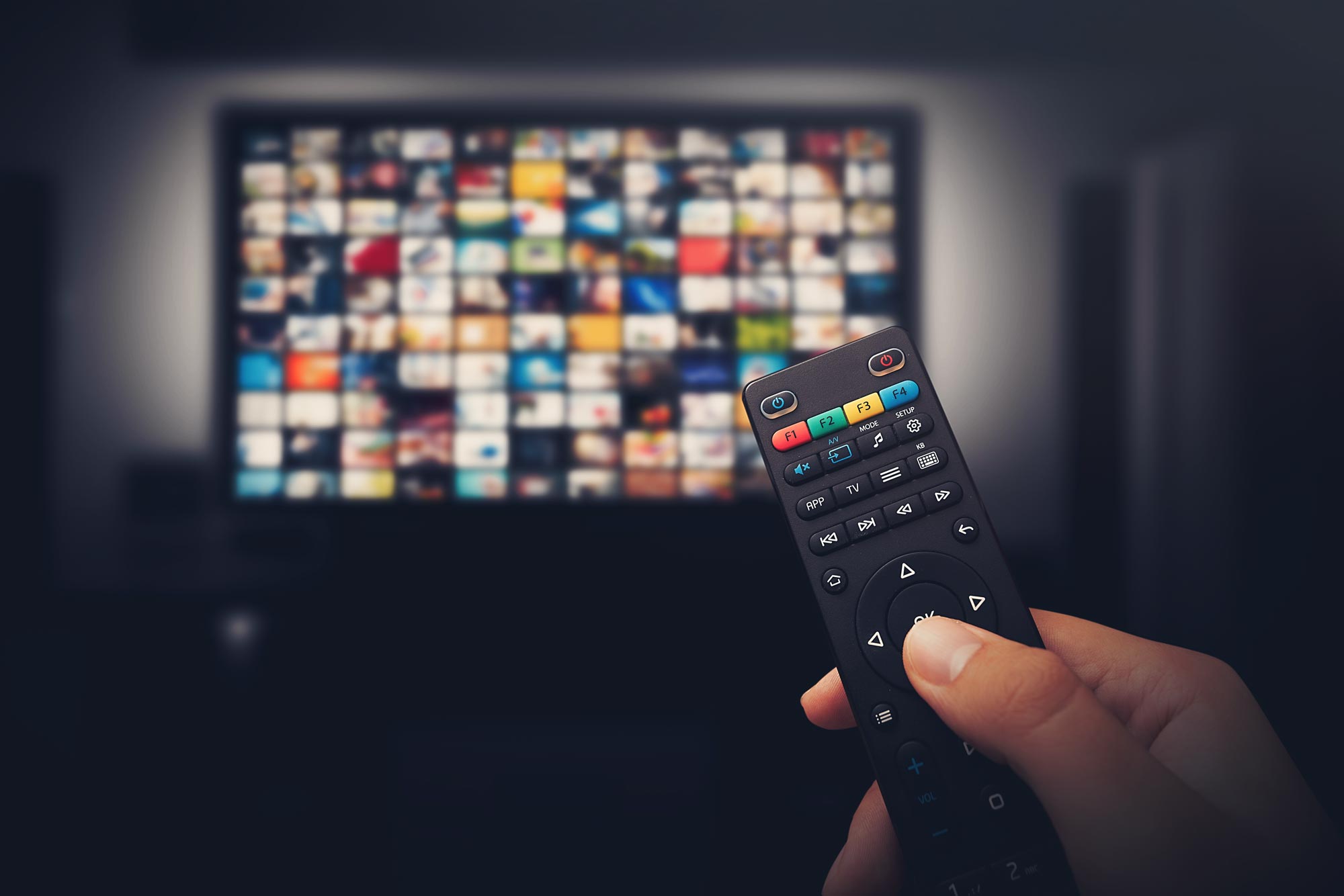
How Streaming Services are Redefining Our Perception of Reality
In recent years, streaming services have not only transformed the way we consume media but also significantly influenced our perception of reality. With platforms like Netflix, Hulu, and Amazon Prime diversifying their offerings, viewers now have access to an unprecedented range of genres and narratives. This shift allows individuals to explore different cultures and perspectives, fostering a more inclusive worldview. As a result, traditional media outlets find themselves competing with these platforms, leading to an era where the definition of reality is largely shaped by the very content we choose to consume.
Moreover, the rise of original programming on streaming platforms has triggered a shift in storytelling techniques, challenging audiences to engage with complex themes and characters. Shows like Black Mirror and The Queen's Gambit push the boundaries of conventional narratives, prompting viewers to question societal norms and reality itself. As we immerse ourselves in these carefully crafted worlds, the line between fiction and reality begins to blur, underscoring the powerful role that streaming services play in shaping our understanding of the world around us.
Counter-Strike is a popular first-person shooter game that emphasizes team play and strategy. Players can choose to be terrorists or counter-terrorists, competing in various game modes that challenge their skills and tactics. For those interested in enhancing their content creation, check out the Top 10 Portable Lighting Options for Content Creators to find the best equipment for your needs.
The Psychosocial Impact of Binge-Watching Your Favorite Series
Binge-watching has become a popular pastime for many, leading to profound psychosocial impacts on individuals. Engaging in extended viewing sessions can trigger a surge of emotions, ranging from intense joy when watching favorite characters to feelings of loneliness and isolation afterward. This phenomenon often stems from the deep connections viewers forge with the characters and narratives, which can lead to both positive and negative psychological effects. Research suggests that while binge-watching can provide a temporary escape and enhance mood, it may also contribute to increased anxiety and feelings of guilt over time.
Furthermore, the social implications of binge-watching are significant. For many, watching series in bulk can foster a sense of community, as viewers share their experiences and opinions with friends and online groups. However, this can also create a disconnect from real-life interactions, as individuals may choose to spend more time in front of screens rather than engaging in physical social activities. The balance between enjoying your favorite series and maintaining healthy relationships is crucial, as excessive binge-watching can lead to a decline in social skills and a detachment from reality.
Do Our Favorite Shows Influence Our Real-Life Decisions?
Television shows have become an integral part of our daily lives, often reflecting and shaping societal norms. For many viewers, their favorite shows can even influence real-life decisions, from fashion choices to relationship dynamics. Characters we admire might inspire us to try new hobbies or adopt particular lifestyles. For instance, a popular show featuring a strong and independent protagonist can motivate viewers to pursue career advancements or make bold personal choices. This phenomenon illustrates how the narratives presented on screen resonate with audiences, guiding their real-world actions and aspirations.
Moreover, the impact of our beloved series extends beyond individual choices to societal trends. When a show highlights social issues or progressive ideas, it can ignite conversations and even provoke change in public attitudes. An example is the rise of discussions around mental health, which have become more prominent due to depictions in various shows. By portraying relatable characters facing challenges, these series encourage viewers to seek help or support in their own lives. Ultimately, the influence of our cherished shows goes deeper than mere entertainment; it can transform perspectives and encourage proactive decision-making in everyday life.