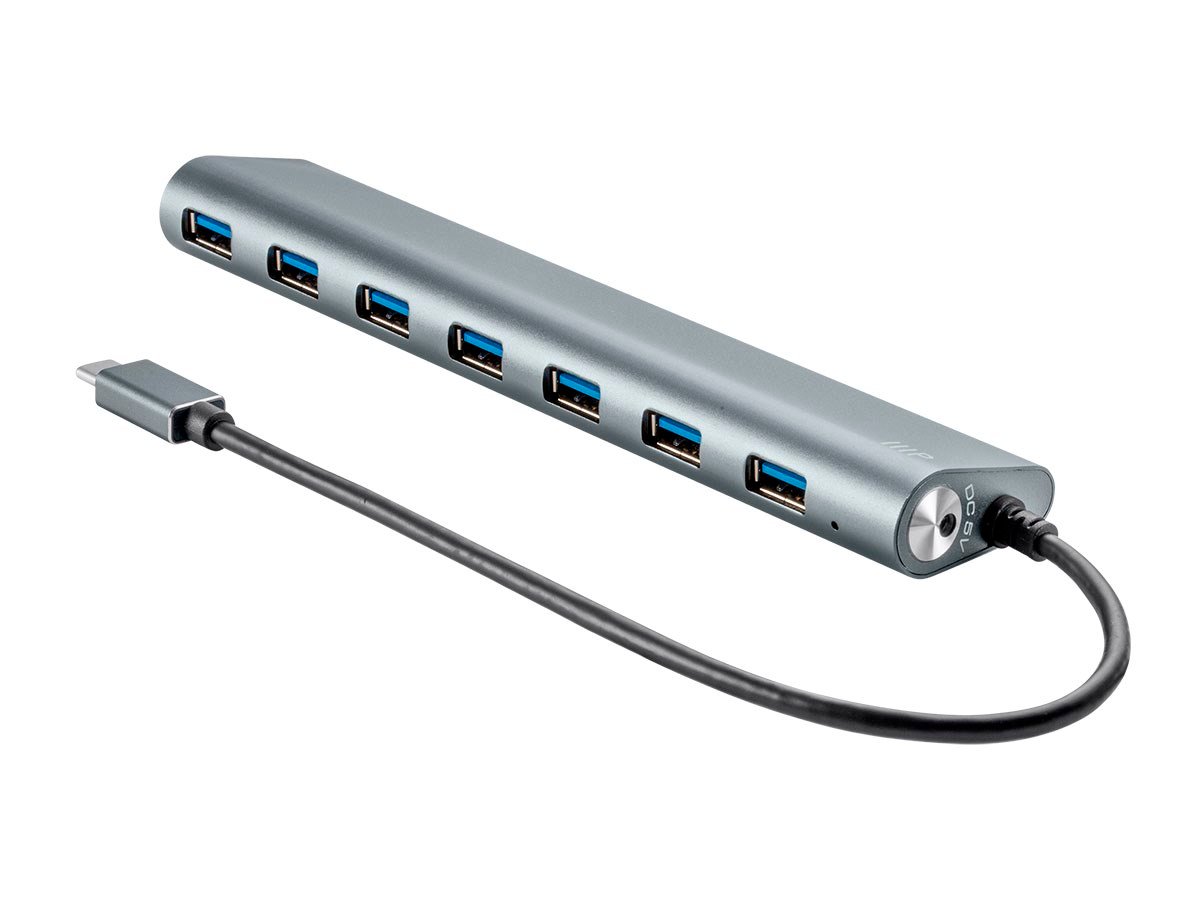
Top 5 Benefits of Using a USB-C Hub for Your Device
In today's fast-paced digital world, USB-C hubs have emerged as essential accessories for many devices. One of the primary benefits of using a USB-C hub is its ability to expand connectivity options. With a single port, you can connect various peripherals such as monitors, keyboards, mice, and external storage devices, facilitating a more streamlined workflow. Additionally, a USB-C hub can often provide faster data transfer speeds compared to traditional USB connections, which is crucial for professionals dealing with large files.
Another significant advantage is that USB-C hubs often come equipped with Power Delivery (PD) capabilities. This means that while you're using the hub to connect multiple devices, you can also charge your laptop or tablet simultaneously. This feature can be a game-changer for users who need to stay powered up throughout the day. To summarize, here are the top five benefits of using a USB-C hub:
- Enhanced connectivity options
- Faster data transfer speeds
- Power Delivery for charging
- Compact and portable design
- Versatility across devices
Counter-Strike is a highly popular first-person shooter (FPS) game that emphasizes team-based gameplay and strategy. Players can choose to be part of counter-terrorist or terrorist teams, engaging in various game modes and missions. If you're looking to enhance your gaming setup, check out the Top 10 USB C Hubs for MacBook for better connectivity options.
How to Choose the Right USB-C Hub for Your Needs
Choosing the right USB-C hub is essential for enhancing your workspace and maximizing productivity. With a multitude of options available on the market, it can be overwhelming to determine which hub best suits your needs. Start by identifying the specific devices you need to connect. Consider the number and type of ports required, such as HDMI, USB-A, or Ethernet. A good rule of thumb is to list out your most frequently used peripherals, and ensure the hub can support them efficiently.
Additionally, take into account the data transfer speed that your hub needs to support. Different models may offer various USB-C specifications, such as USB 3.0 or Thunderbolt 3. To help narrow down your options, you may want to consider factors such as portability, if you need to carry your hub with you, and whether or not power delivery is necessary for charging connected devices. Always check reviews and ratings to gauge the performance and reliability of the hub, ensuring it aligns with your personal or professional requirements.
Is a USB-C Hub Worth It? Exploring Cost vs. Convenience
As the demand for connectivity options continues to grow, USB-C hubs have emerged as essential tools for many users. These compact devices offer a range of ports, allowing you to link multiple peripherals like keyboards, mice, external hard drives, and monitors to a single USB-C port on a laptop or tablet. However, before investing in a USB-C hub, it’s important to weigh the cost vs. convenience. While these hubs can vary significantly in price—from budget-friendly options to high-end models—considering what you need them for can help determine whether the investment is justified.
On one hand, a reliable USB-C hub can streamline your workspace and eliminate the hassle of constantly plugging and unplugging devices. Particularly for professionals who require seamless connectivity in their day-to-day tasks, the convenience offered by a hub often outweighs the cost. On the other hand, if you find yourself using only one or two peripherals frequently, a USB-C hub may not be necessary. Ultimately, the decision boils down to your individual needs and how much value you place on convenience versus the upfront costs involved.