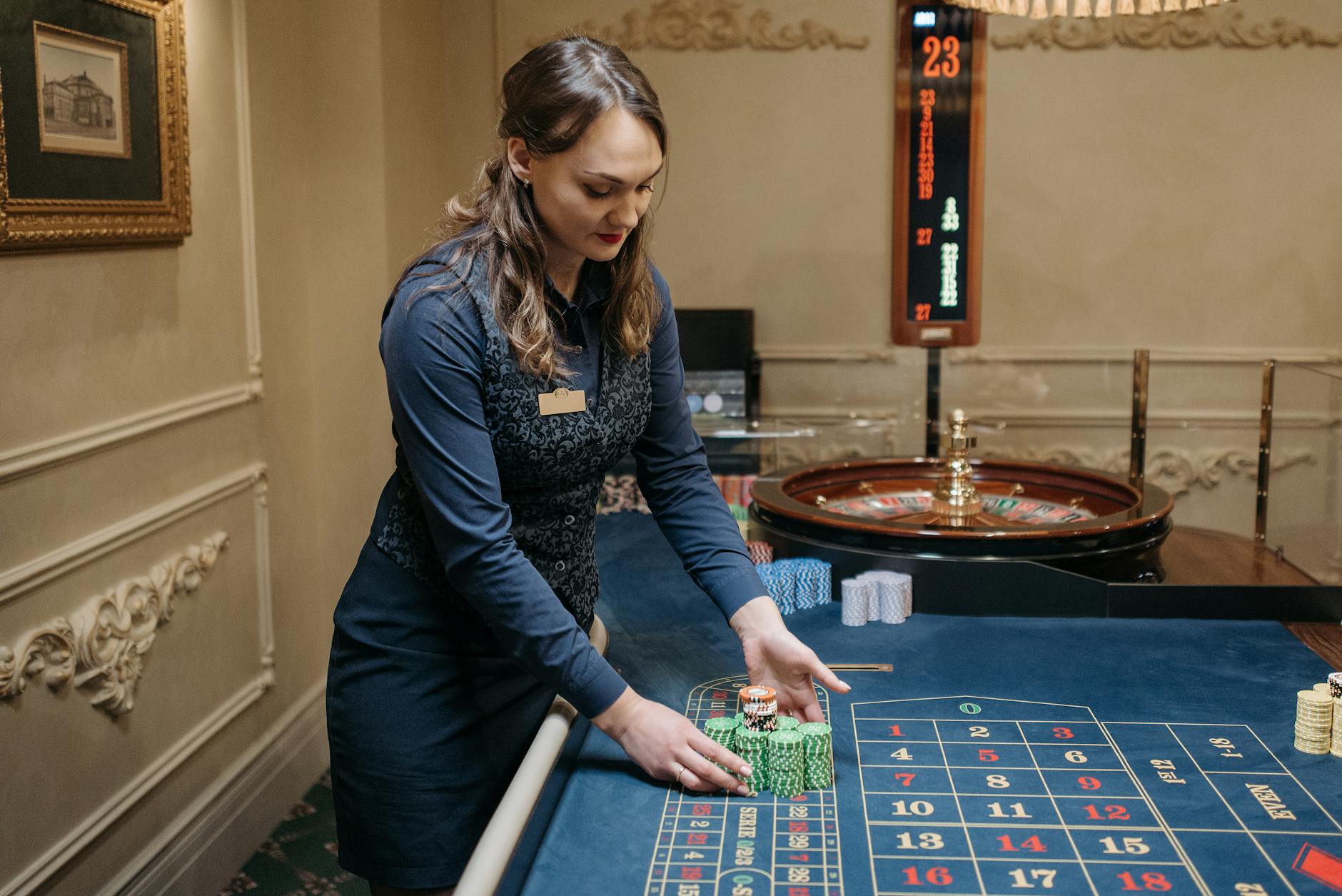
Understanding Decentralized Casinos: From Smart Contracts to Seed Verification (And Why You Should Care)
Decentralized casinos, often built on blockchain technology, represent a significant paradigm shift from traditional online gambling. At their core are smart contracts—self-executing agreements whose terms are directly written into code. These contracts automate payouts, manage game logic, and ensure transparency without the need for intermediaries. This eliminates the risk of a centralized operator manipulating outcomes or withholding funds. Furthermore, the use of cryptographic techniques like seed verification allows players to independently confirm the fairness of each game round, fostering a level of trust unprecedented in conventional casinos. Understanding these foundational elements is crucial for anyone considering engaging with this innovative sector.
But why should you, as a player or even an observer, care about this technological evolution? The answer lies in the fundamental principles of fairness, security, and player empowerment. Decentralized platforms offer:
- Provable Fairness: Gone are the days of trusting a black-box algorithm; you can verify outcomes yourself.
- Enhanced Security: Blockchain's immutable ledger protects against fraud and unauthorized alterations.
- Greater Privacy: Many decentralized casinos allow anonymous play, respecting user data.
Looking for a thrilling online gaming experience? A ripple casino offers fast transactions and exciting games for cryptocurrency enthusiasts. These platforms leverage the speed and efficiency of Ripple (XRP) to provide a seamless and secure gambling environment.
Playing Fair, Winning Transparently: Practical Steps & Common Questions on Trusting Decentralized Gambling
Navigating the decentralized gambling landscape can feel like a leap of faith, but understanding the mechanisms that foster trust is key to playing fair and winning transparently. Unlike traditional online casinos, where a central authority dictates outcomes and holds your funds, decentralized platforms leverage blockchain technology to ensure provably fair play. This means that every bet, every shuffle, and every dice roll can be independently verified on the blockchain, eliminating the need for blind trust in an operator. Key to this transparency is the use of smart contracts, which are self-executing agreements with the terms of the agreement directly written into code. These contracts automatically manage payouts and game logic, removing human intervention and potential for manipulation. Furthermore, many platforms employ cryptographic protocols like hash functions and random number generators (RNGs) that are publicly auditable, allowing players to confirm the fairness of each game round long after it's concluded.
Common questions often arise when considering the trustworthiness of decentralized gambling. One frequent concern is, "How do I know the games aren't rigged?" The answer lies in the aforementioned provably fair systems. Instead of taking a casino's word for it, you can verify the fairness of each game using the provided cryptographic hashes and seeds. Another common query is, "What if the platform disappears with my funds?" This risk is significantly mitigated by the non-custodial nature of many decentralized casinos, where funds often remain in your personal wallet until a bet is placed and immediately returned upon a win. However, it's crucial to distinguish between truly decentralized platforms and those that merely accept cryptocurrency but operate with centralized backend systems. Always look for evidence of on-chain transactions, open-source code, and community audits to ensure genuine decentralization and the highest level of trust.