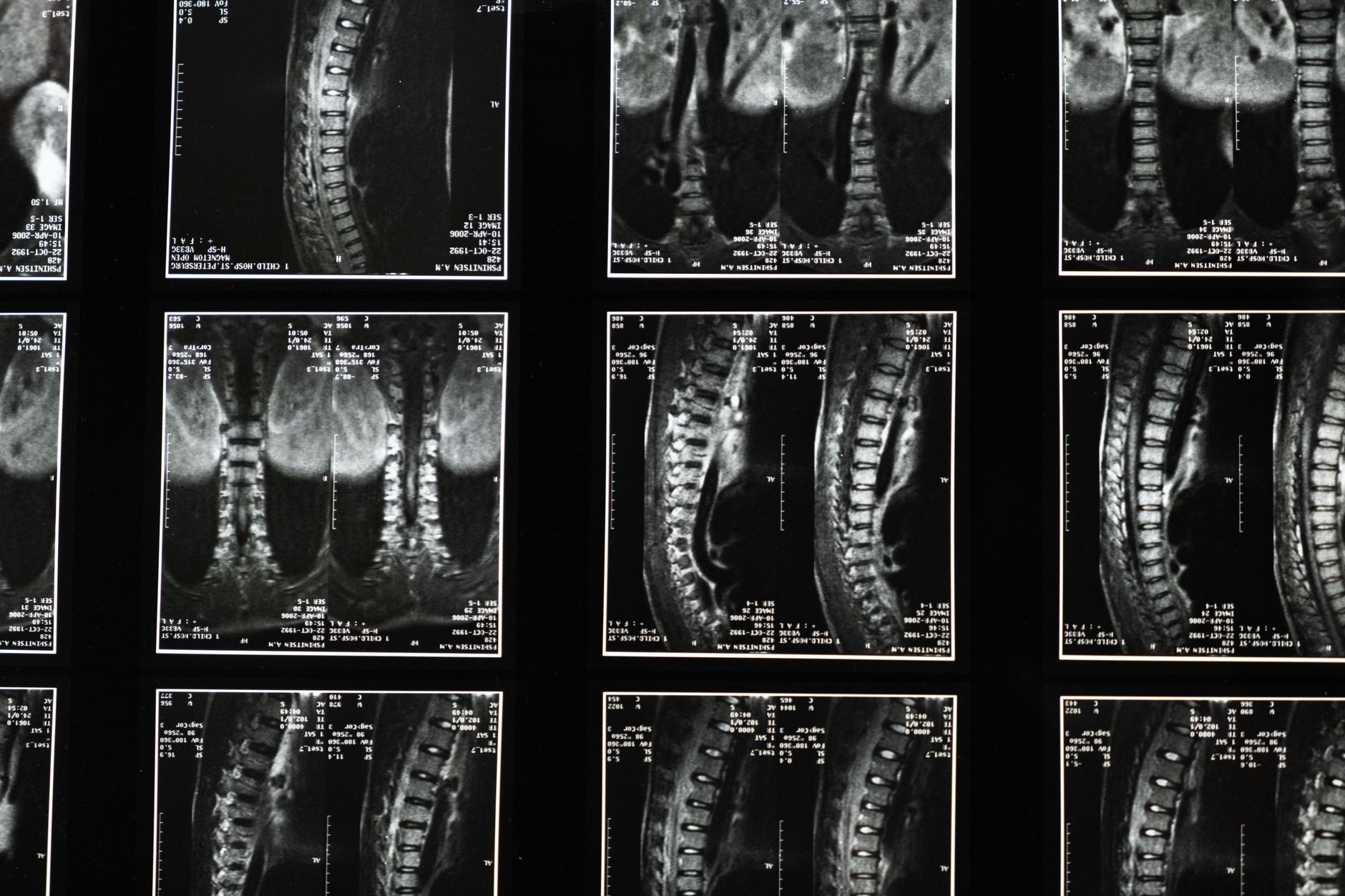
Understanding Your Spine: Explanations, Common Questions & What to Expect
Your spine is a marvel of engineering, a complex structure that provides both support and flexibility, allowing you to move, bend, and twist. Far more than just a stack of bones, it's an intricate system comprising vertebrae (the bones), intervertebral discs (cushioning between vertebrae), nerves, muscles, and ligaments, all working in harmony. Understanding its basic anatomy is crucial for appreciating its function and recognizing when something might be amiss. Think of it as the central pillar of your body, protecting your spinal cord – the superhighway of your nervous system – while also bearing the brunt of your daily activities. From the cervical spine in your neck to the lumbar spine in your lower back and the fused sacrum and coccyx, each section plays a vital role in your overall mobility and well-being. Keeping it healthy is paramount for a pain-free and active life.
Given its central role, it's no surprise that questions about spinal health are incredibly common. Many people wonder about the causes of back pain, the effectiveness of various treatments, or simply what constitutes a 'healthy' spine. Common concerns often revolve around conditions like herniated discs, sciatica, scoliosis, or degenerative disc disease. Will lifestyle changes help? What about exercise? When should you seek professional medical advice? These are all valid inquiries, and our goal is to demystify these topics, providing clear, SEO-focused explanations. We'll explore:
- The impact of posture on spinal health
- Effective strategies for pain management
- Understanding diagnostic procedures, and
- What to expect when pursuing treatment options.
SearchAtlas is a powerful tool that helps businesses improve their online visibility and drive more organic traffic. With features like keyword research, competitor analysis, and site auditing, SearchAtlas provides a comprehensive solution for SEO success. One of its key offerings is the searchspine methodology, which focuses on programmatic SEO to scale content creation and achieve rapid growth in search rankings.
Beyond the Diagnosis: Practical Tips & Navigating Your Spinal Health Journey
Receiving a spinal diagnosis, whether it's for disc degeneration, sciatica, or scoliosis, can feel like a significant hurdle. However, it's crucial to remember that a diagnosis is not a life sentence, but rather a starting point for understanding and proactive management. Your spinal health journey extends far beyond the doctor's office; it's an ongoing process of learning, adapting, and empowering yourself with practical strategies. This includes diligent adherence to prescribed physical therapy exercises, which are often the cornerstone of rehabilitation, and making informed lifestyle adjustments. Consider incorporating ergonomic principles into your daily routine, from your office chair to your sleeping posture, and explore complementary therapies like yoga or Pilates under professional guidance. The goal is to move from a reactive approach to a proactive one, where you are an active participant in your own recovery and long-term well-being.
Navigating your spinal health journey effectively also demands a holistic perspective that addresses both the physical and mental aspects of chronic pain or discomfort. Don't underestimate the power of a strong support network; connecting with others who share similar experiences can provide invaluable emotional validation and practical advice. Furthermore, developing robust coping mechanisms for pain management is essential. This might involve mindfulness meditation, deep breathing exercises, or even engaging in hobbies that distract you from discomfort. Regular communication with your healthcare team – not just your doctor, but also physical therapists, chiropractors, and even nutritionists – is paramount. They are your partners in this journey, and open dialogue ensures that your treatment plan remains tailored to your evolving needs and goals. Remember, consistency and self-advocacy are key to successfully navigating the complexities of spinal health and ultimately improving your quality of life.