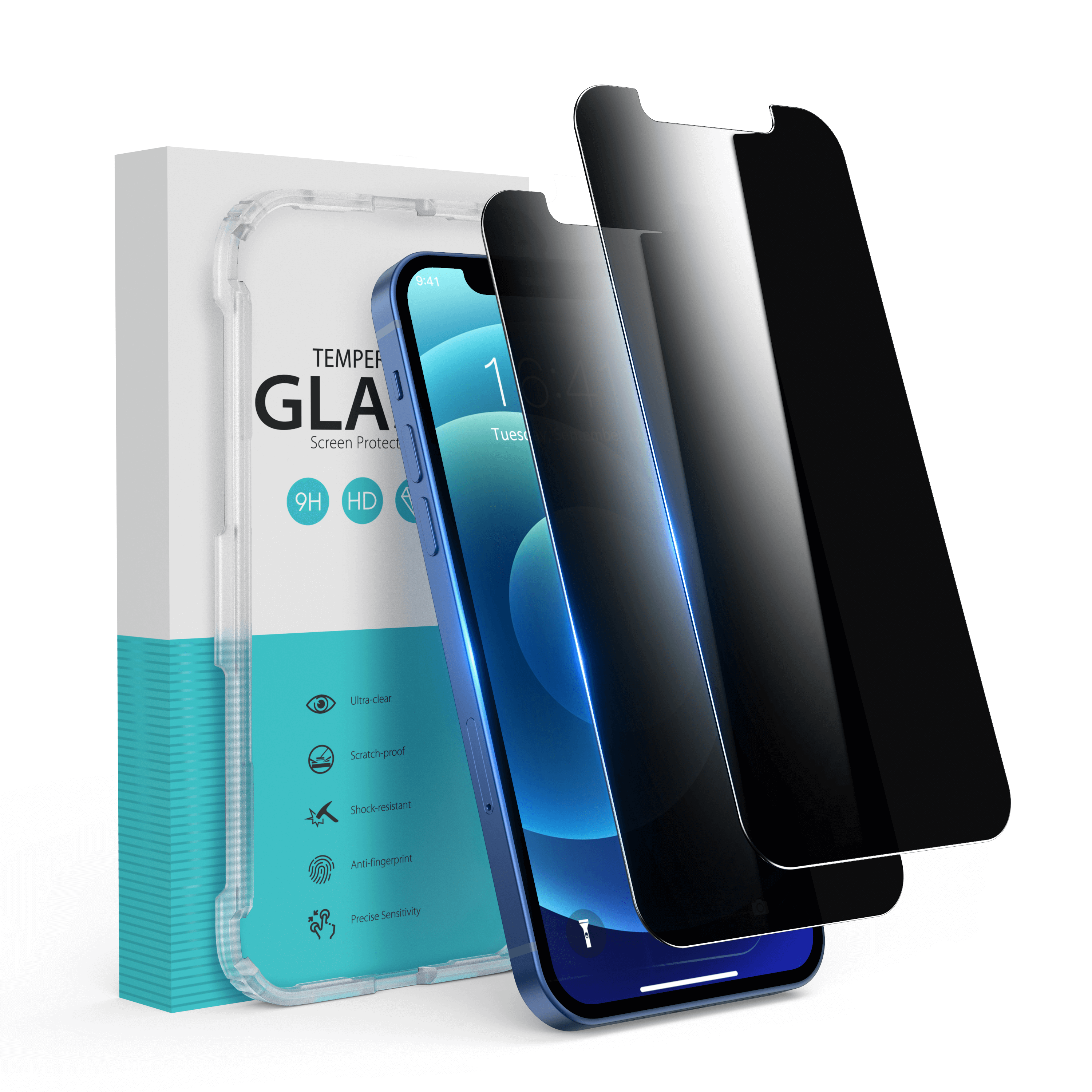
The Hidden Benefits of Screen Protectors: Why You Need One
In today's fast-paced digital world, our smartphones and tablets are constant companions. However, the displays of these devices are vulnerable to scratches, cracks, and even fingerprints. This is where screen protectors come into play. They not only safeguard your device from potential damage but also help maintain its aesthetic appeal. Interestingly, many users overlook the *hidden benefits* of using a screen protector, such as reducing glare and enhancing touch sensitivity. A quality screen protector can ensure a crystal-clear view, making it easier to read and navigate your screen even in bright sunlight.
Moreover, investing in a screen protector can lead to significant cost savings in the long run. By preventing cracks and scratches, you can avoid expensive repairs or replacements that come with damaged screens. Some advanced protectors even include antimicrobial properties, which help keep your device hygienic by minimizing the growth of bacteria. Additionally, for those who are prone to dropping their devices, certain types of protectors can absorb shocks, providing an extra layer of safety. Overall, the decision to use a screen protector is a wise one, as it blends protection with practicality, safeguarding your investment while enhancing your device's usability.
Counter-Strike is a highly popular first-person shooter game that involves team-based gameplay. Players choose to be either terrorists or counter-terrorists, engaging in strategic missions. For gamers looking to enhance their experience, check out the Top 10 Google Pixel Accessories that can improve gaming performance and convenience.
Screen Protectors vs. Phone Damage: Which Side Will You Choose?
When it comes to protecting your smartphone, the debate between screen protectors and potential phone damage often arises. On one hand, a quality screen protector can safeguard your device against scratches, cracks, and other forms of wear and tear. Using a screen protector not only maintains the aesthetic value of your phone, but it can also enhance its resale value by keeping the screen in pristine condition. Many users find the small investment in a screen protector to be worthwhile compared to the high costs of repairing a damaged phone. As a result, the question becomes: can you really afford to go without that extra layer of protection?
However, some individuals argue that screen protectors can be unnecessary, especially if they are careful with their devices. They point out that modern smartphones are designed with durable glass that can withstand everyday mishaps. Yet, it’s crucial to remember that phone damage can occur in unexpected moments, and the cost of repairs can far exceed the price of a screen protector. Therefore, the choice isn't just about convenience—it's about making a smart decision to protect your investment. Whether you view screen protectors as essential or optional, the potential risk of phone damage makes this a debate worth considering.
How to Choose the Right Screen Protector for Your Smartphone
Choosing the right screen protector for your smartphone is crucial to keeping your device safe from scratches and cracks. With a variety of options available, it can be overwhelming to select the ideal one for your needs. Begin by considering the type of material you prefer: tempered glass or plastic film. Tempered glass protectors offer superior protection against impact and scratches, while plastic films are more flexible and thinner, though they may not provide the same level of durability. Additionally, look for protectors that come with enhanced features such as anti-glare or blue light filtering technology to provide a better viewing experience.
Once you've chosen the material, it's important to consider the fit and compatibility of the screen protector with your smartphone model. Ensure that the protector covers the entire screen without obstructing any buttons or features, and check for customer reviews to gauge their satisfaction with the fit. It's also advisable to pay attention to the thickness of the protector; a thicker protector may offer more protection but could affect the sensitivity of the touchscreen. By following these guidelines, you can confidently choose the right screen protector to keep your smartphone in pristine condition.