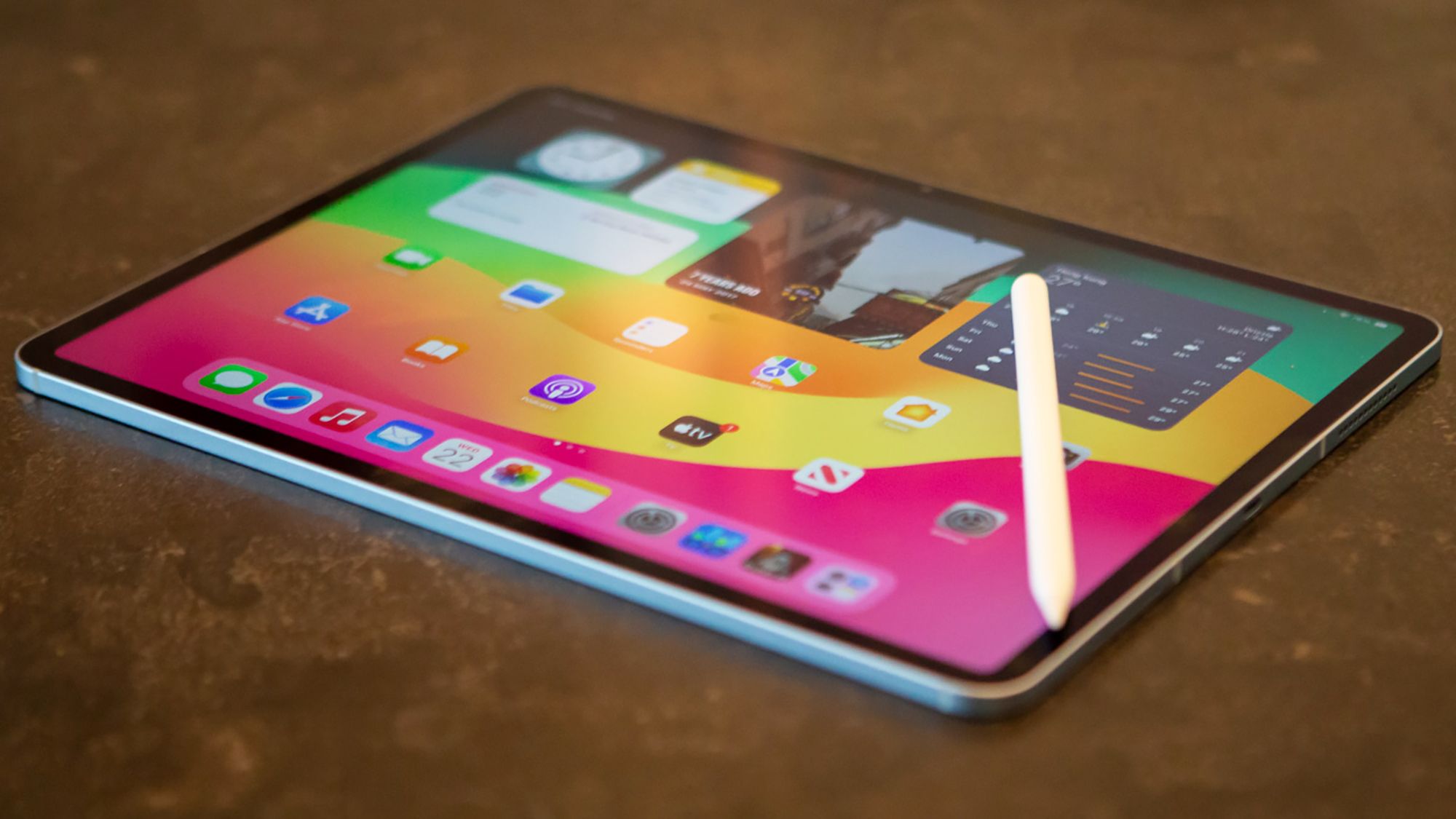
Top 5 Features to Look for When Choosing a Tablet
When choosing a tablet, it’s essential to consider features that will enhance your user experience and meet your specific needs. Here are the top 5 features to look for:
- Display Quality: A high-resolution display is crucial for reading, streaming, and gaming. Look for tablets with at least 1080p resolution for crisp visuals.
- Battery Life: A good tablet should last at least 8 to 10 hours on a single charge, allowing you to use it throughout the day without constantly searching for an outlet.
- Operating System: Choose between iOS, Android, or Windows based on your preferences, as each has its unique set of apps and user interface.
- Storage Options: Ensure you select a tablet with adequate storage for your needs, especially if you plan to download apps, games, or store media.
- Portability: Consider the weight and size of the tablet. A lightweight, slim design is ideal for carrying around.
Beyond these core features, you may also want to evaluate additional aspects such as accessory compatibility, including keyboards and styluses, which can enhance productivity. Additionally, check for connectivity options like Bluetooth and Wi-Fi capabilities to ensure seamless integration with other devices.
By keeping these features in mind when selecting a tablet, you will be well-equipped to make an informed choice that suits your lifestyle, whether for work, entertainment, or education.
Counter-Strike is a popular tactical first-person shooter that has captivated gamers since its initial release in 1999. Players can engage in intense team-based matches, utilizing strategy and skill to complete objectives. For those looking to enhance their gaming experience, check out the Top 10 Tablet Accessories to optimize your setup.
How Tablets are Revolutionizing Mobile Learning
The advent of tablets has significantly transformed mobile learning, making education more accessible and engaging for users across various age groups. With their lightweight design and intuitive interfaces, tablets allow learners to access a wealth of educational resources anywhere and anytime. According to recent studies, students using tablets have shown improved retention rates and enhanced motivation, as interactive applications and multimedia content capture their attention more effectively than traditional learning methods.
Furthermore, tablets facilitate personalized learning experiences through adaptive learning technologies that tailor lessons to individual learners' needs. For instance, platforms like Google Classroom and Khan Academy provide adaptive quizzes and resources that adjust to a student's learning pace. Tablets also support collaboration among students and teachers, enabling real-time feedback and peer interaction via educational apps. This connectedness not only fosters a sense of community but also encourages students to take responsibility for their own learning journeys.
Are Tablets the Future of Productivity?
As technology continues to evolve, the debate surrounding the role of tablets in productivity has gained significant traction. Many professionals are leaning towards tablets as a versatile tool for managing daily tasks. The convenience of portability, long battery life, and user-friendly interfaces allow users to access their work anywhere, making tablets an appealing option compared to traditional laptops. According to recent studies, the average user finds that tablets enhance their workflow, enabling smoother transitions between work and leisure activities.
However, while tablets offer numerous advantages, they may not completely replace traditional productivity devices. Certain tasks, such as extensive data entry or complex programming, can still be more efficiently performed on a laptop or desktop. Nevertheless, as app developers continue to enhance mobile productivity applications, the gap between tablets and traditional computing may narrow. In conclusion, while tablets are not universally suitable for every task, they undeniably represent a significant evolution in how we approach productivity, suggesting that they may very well be part of the future landscape of work.