The Ultimate Guide to USB-C: Understanding Its Versatility and Benefits
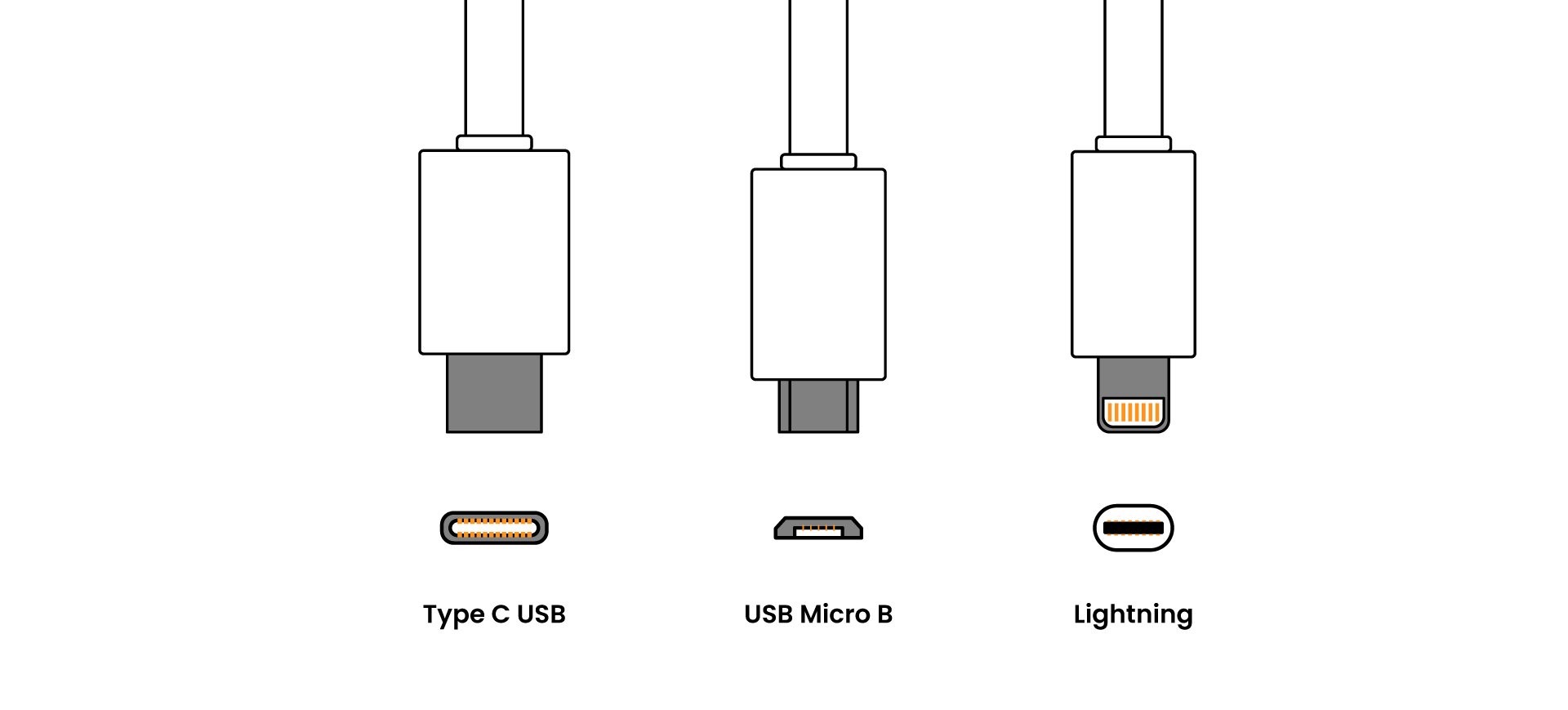
USB-C is rapidly becoming the go-to standard for connectivity across various devices, thanks to its versatility and numerous benefits. Unlike its predecessors, USB-C connectors can transmit data, power, and even video signals all through the same cable, making it a true all-in-one solution. This new standard allows for faster data transfer speeds of up to 10 Gbps and charging capabilities of up to 100 watts, significantly reducing the time it takes to power devices or transfer files. Moreover, the reversible design of the USB-C connector means you’ll never have to fumble around to plug it in correctly.
The benefits of USB-C extend beyond just speed and ease of use. With support for multiple protocols, USB-C can connect a wide range of devices, from smartphones and tablets to laptops and peripherals. This compatibility makes it easier for users to streamline their tech setup with fewer types of cables needed. Additionally, as more manufacturers adopt this standard, USB-C is paving the way for a universal charging solution that could simplify our electronic landscape. In sum, understanding the advantages of USB-C is crucial for anyone looking to future-proof their technology and enjoy seamless connectivity.
Counter-Strike is a highly popular tactical first-person shooter game that emphasizes teamwork and strategy. Players can choose to fight as terrorists or counter-terrorists, engaging in various game modes with distinct objectives. For those looking to optimize their gaming experience, check out the Top 10 MacBook Accessories for Office to enhance your setup and performance.
USB-C vs. USB-A: Why You Should Make the Switch Now
As technology continues to advance, the debate between USB-C and USB-A has gained significant attention. While USB-A is the traditional standard we've been using for years, USB-C offers several advantages that make it a more appealing option in today's digital landscape. First and foremost, USB-C supports faster data transfer rates and enhanced power delivery, allowing for quicker charging of devices. With the increasing number of devices that utilize this innovative connector, embracing USB-C means you'll be better prepared for the future and its evolving technology.
More than just speed, the USB-C connector boasts a reversible design, making it user-friendly and more convenient to plug in compared to the older USB-A connector. Furthermore, USB-C is beginning to replace USB-A across a variety of devices, including laptops, smartphones, and tablets. Transitioning to USB-C now not only ensures compatibility with the latest tech but also simplifies your connectivity needs. In conclusion, the shift from USB-A to USB-C is undoubtedly a step forward, offering modern users a versatile and efficient solution for their connectivity requirements.
Common Questions About USB-C: What You Need to Know Before Upgrading
Upgrading to USB-C can bring significant benefits, but it often raises several common questions among users. Firstly, one of the most frequently asked questions is about compatibility. Many devices still use older USB standards, so you might be wondering if your existing peripherals will work with a new USB-C port. The good news is that adapters are widely available, allowing you to connect your conventional USB devices to a USB-C port. However, it's essential to ensure that the adapter you choose supports the required data transfer speeds and power delivery of your device.
Another common concern relates to charging speed and power delivery. With USB-C, you not only benefit from faster data transfer rates but also improved charging capabilities. Many users ask if all USB-C chargers are the same. The answer is no; they can vary in power output. It's crucial to use a charger that matches your device's power requirements to avoid any performance issues. To summarize, here are some key points to consider before upgrading:
- Check compatibility with existing devices.
- Invest in reliable adapters if needed.
- Use the appropriate charger for optimal performance.